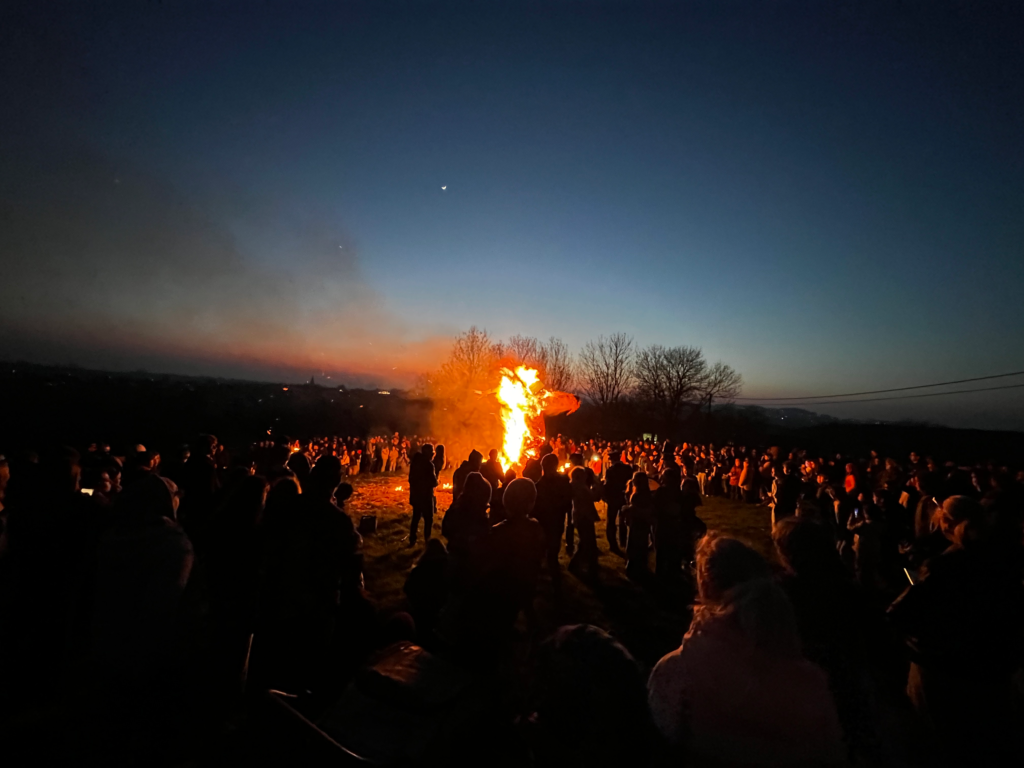

The Ingvaeonic Society, or Ingwina Ferræden, and its 100 groups
De Lage Landen Honderd is the regional branch of the Ingwina Ferræden for the Netherlands and Belgium. We focus on West Germanic, Ingvaeonic Heathenry — the indigenous religious tradition of the peoples who once inhabited the coastal region between the Rhine and the Elbe, and whose legacy lives on in our language, our landscape, and our customs.
The name “Honderd” dates back to the Germanic huntari or hundredship, a regionally based association of people who knew each other, came together for the Ding and looked out for each other. In that spirit, we want to be a meeting place for those in the Low Countries who are dedicated to indigenous gods, customs, and festivals – for individuals, families, and existing groups.
We are open to all who wish to practice the Ingweoon tradition with respect and seriousness, regardless of where they are on their path.
Our objectives
- Connecting individual practitioners and groups in the Netherlands and Belgium
- Promoting knowledge of the West Germanic, Ingveonic tradition
- Organising get-togethers, shared parties and study groups
- The preservation and transmission of myths, rituals, and linguistic heritage
- Working with other departments of the Ingwina Ferræden within the broader Ingweoonse context
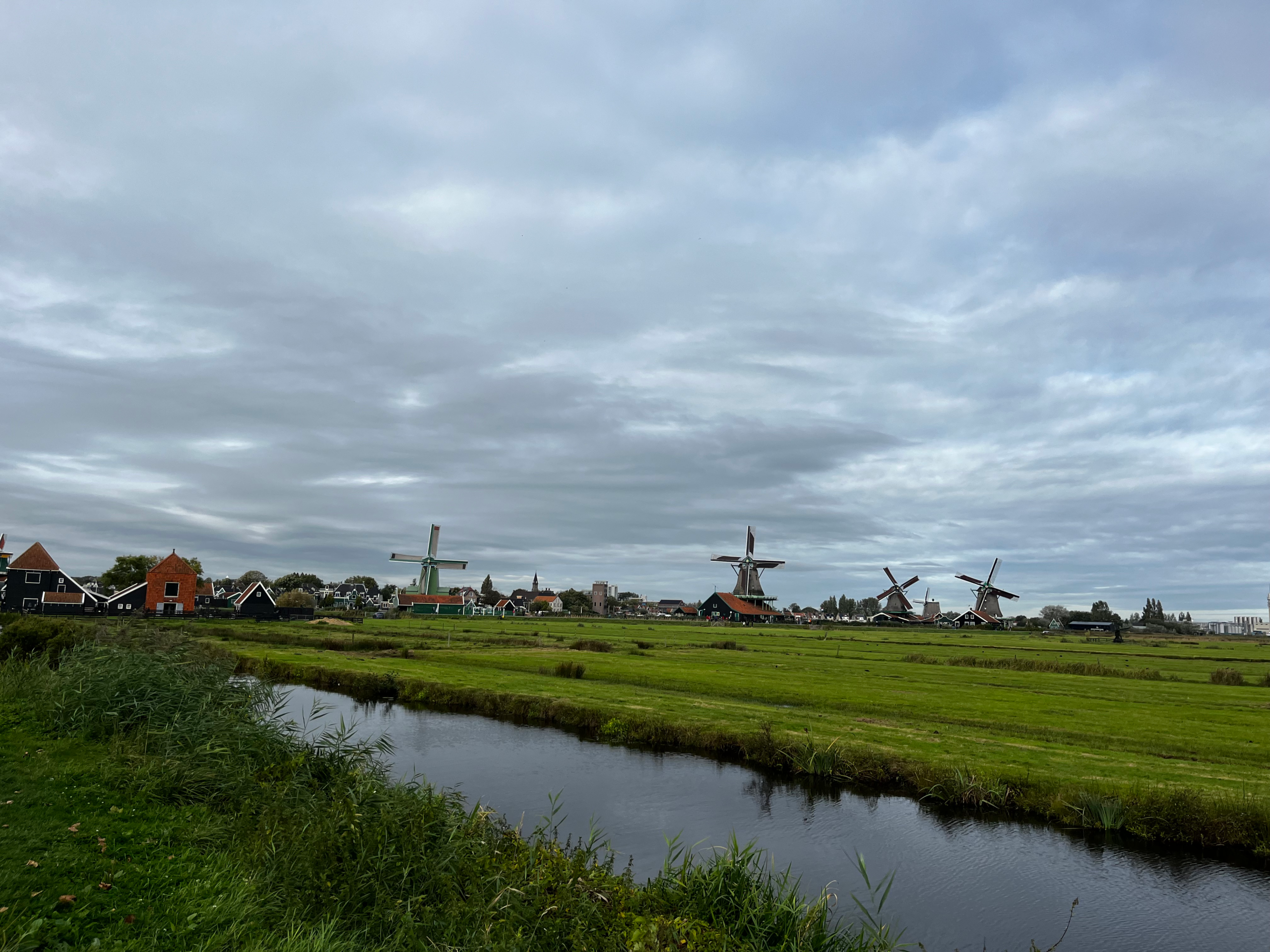
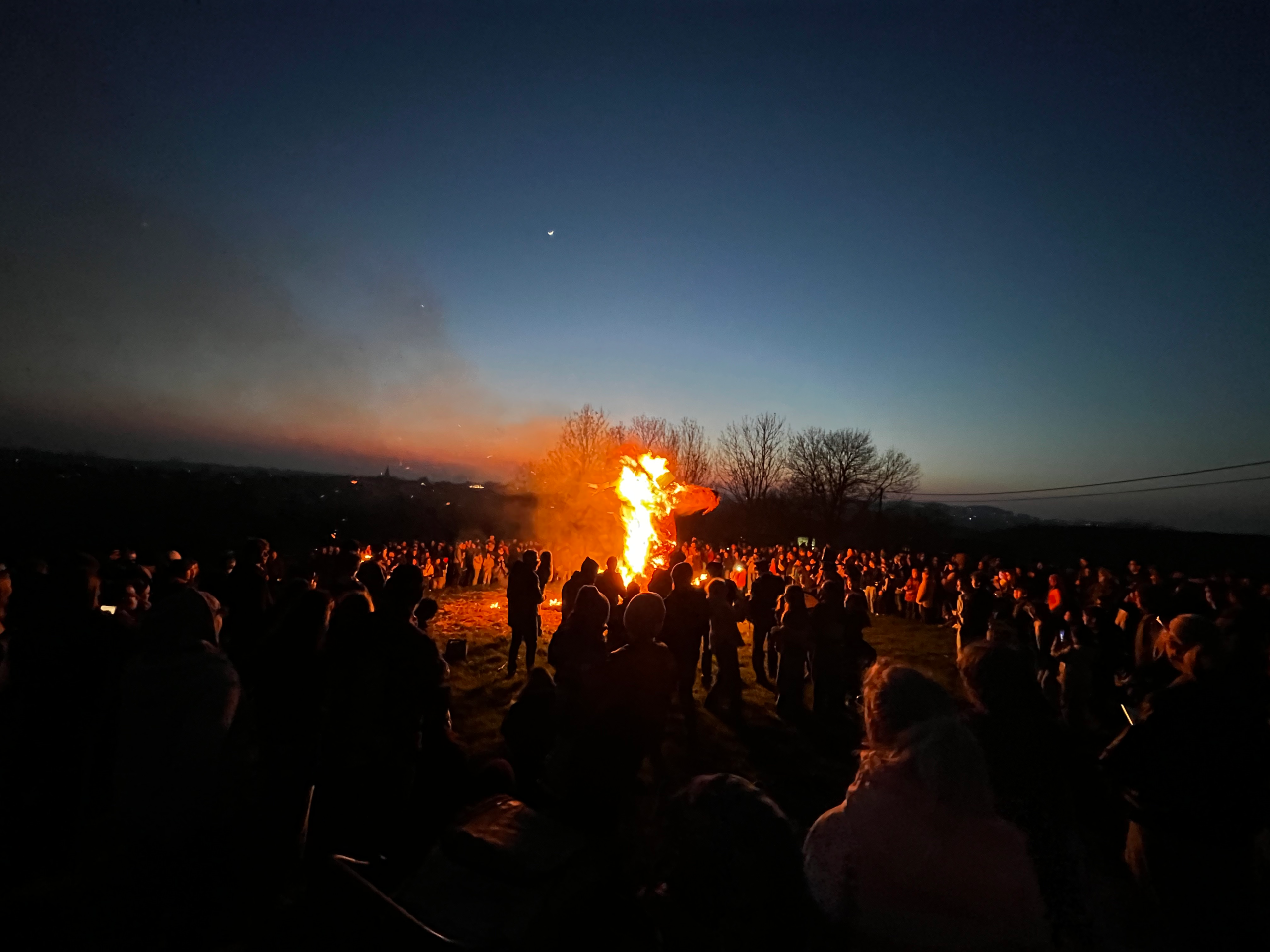
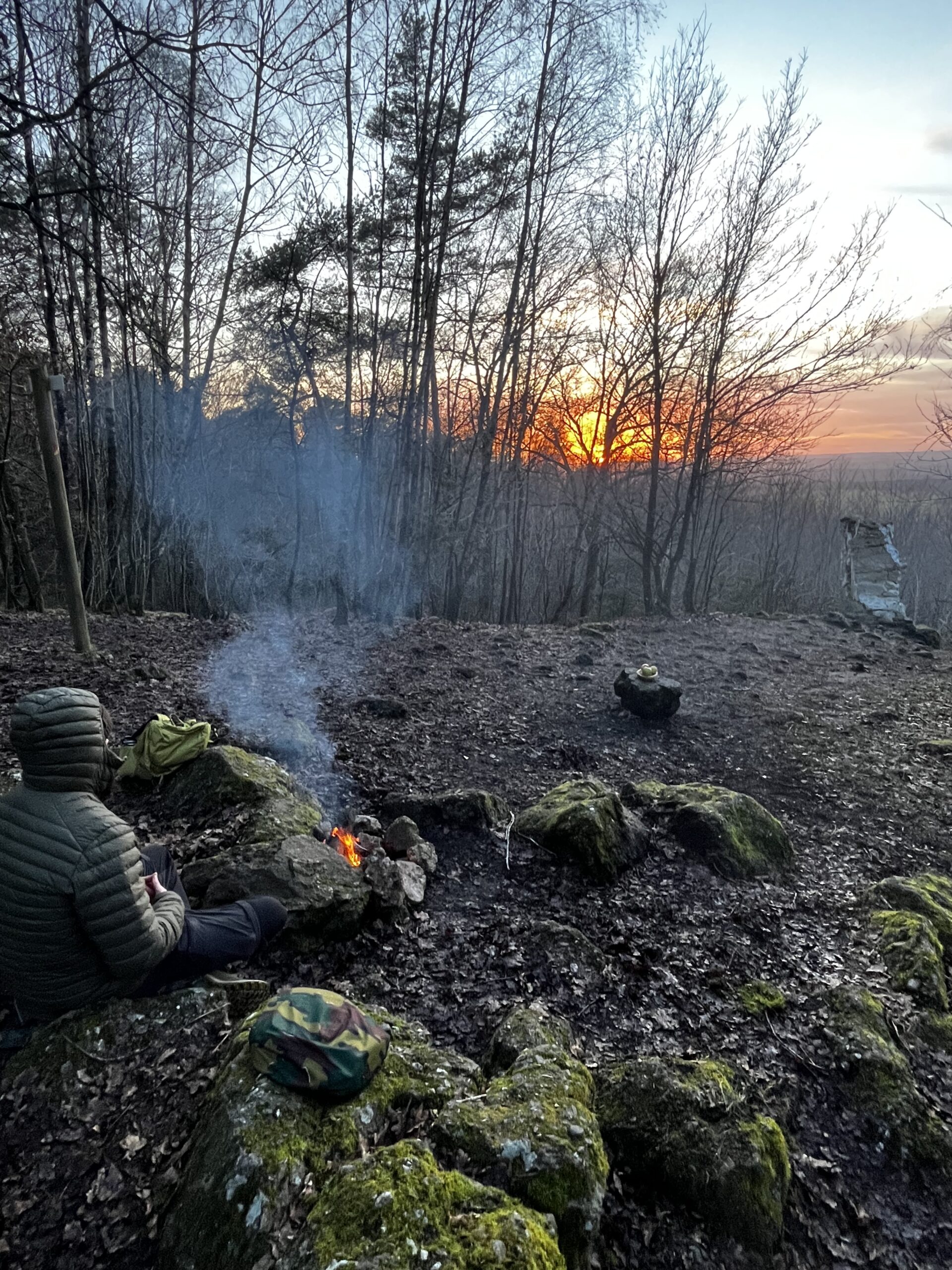
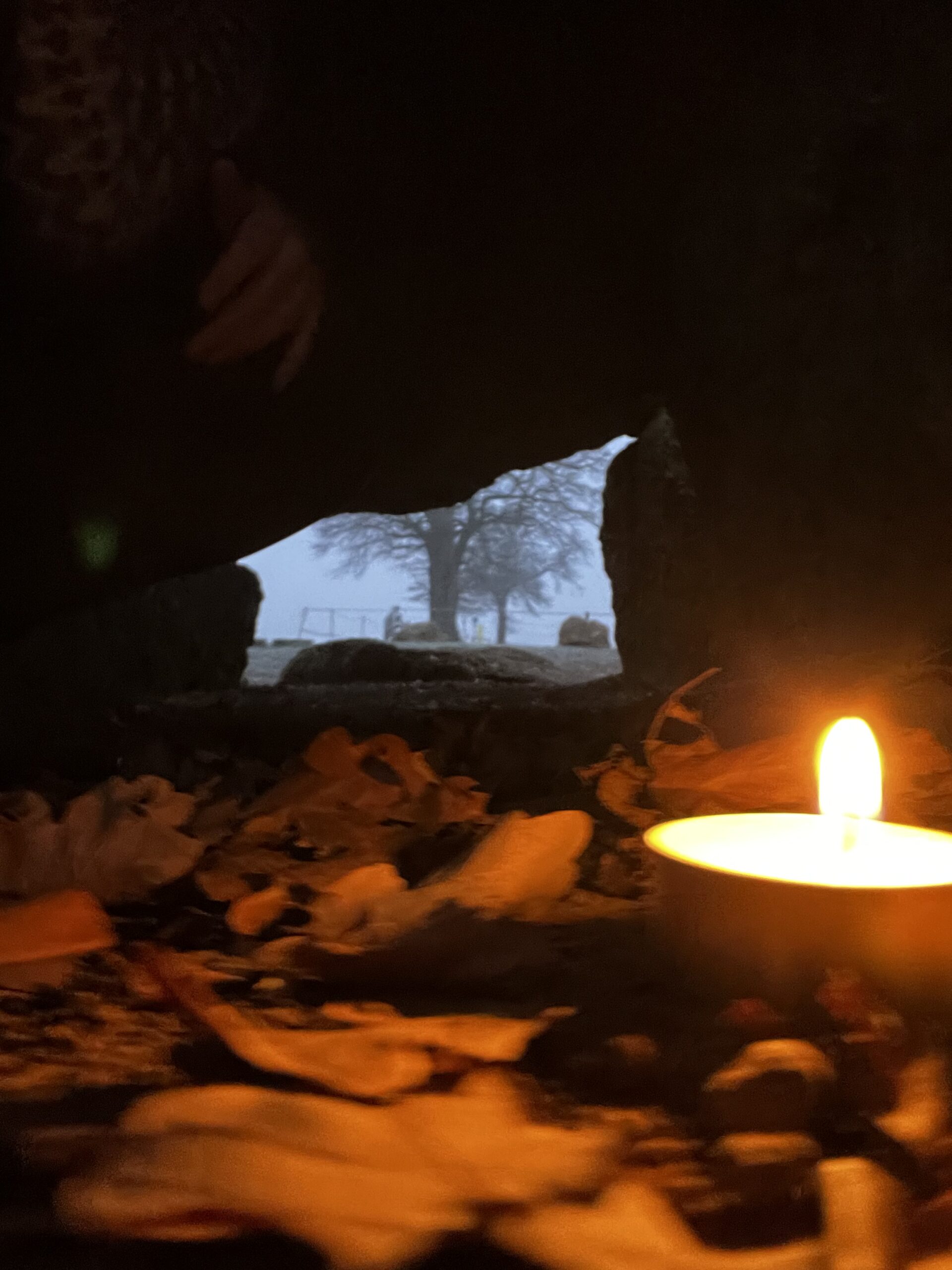
Our faith is a living tradition, a modern polytheistic religion based on the traditions of the ancient Angles, Saxons, Chauci, Frisians, and Jutes, as well as the Batavians, Menapians, Nervii, and Eburones – peoples whose cultures formed a bridge between Gallic and North Sea Germanic traditions and contributed to the early Germanic heritage of England, the Low Countries, and surrounding regions.
Our faith is life-affirming and honours the earth, our ancestors, and the gods and goddesses of the pre-Christian North Sea world. We call this faith Ingwine Heathenism , or in the old Anglo-Saxon language, Ingwina Heathenry . Our main article of faith, we call it Triple Purpose
The Ingvaeonic Society Old English: Ingwina's Farm ) is a US-based 501(c)3 non-profit organisation dedicated to the promotion of Ingwine Heathenism. We are organised as a Peace-gold – a peace guild in the old Germanic tradition – a community bound by mutual obligation, shared belief, and the pursuit of peace for our members and their communities. Formerly known as the Travel Ancient side , we support local
Ferscipas in the United States, Belgium and the United Kingdom through scholarships, networking and the building of sustainable pagan institutions.